Zigzag Bridge
Introduction
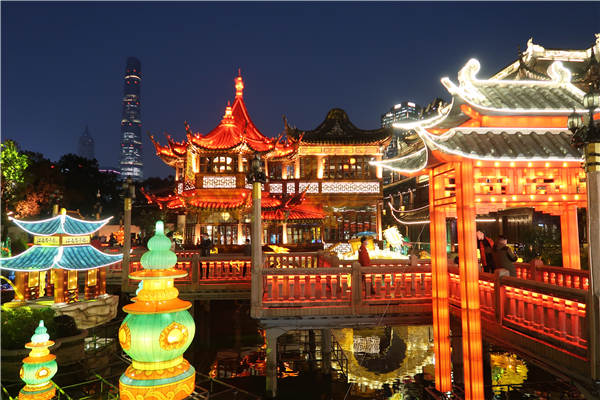
The Zigzag Bridge, also known as the Jiuqu Bridge, is a distinctive architectural feature commonly found in traditional Chinese gardens. This bridge's unique zigzag design is not merely aesthetic but serves functional purposes, such as slowing down the pace of those crossing it, allowing them to better enjoy the surrounding scenery, and symbolically warding off evil spirits, which are believed to travel only in straight lines. The Zigzag Bridge is a prominent cultural symbol that is frequently incorporated into celebrations and festivals, particularly those held in locations known for their historical or scenic significance, such as Yuyuan Garden in Shanghai.
Yuyuan Garden's Zigzag Bridge
Located in the heart of Shanghai, Yuyuan Garden is a historical site with over 700 years of history. It is renowned for its classical Chinese garden architecture, among which the Zigzag Bridge stands out as a central feature. The bridge connects various parts of the garden, including the pavilion surrounded by a pond, known as Huxin Ting, which serves as a venue for cultural activities and performances. During festivals like the Mid-Autumn Festival and the Lantern Festival, the Zigzag Bridge becomes a focal point for activities, including the release of lotus lanterns, dance performances, and fashion shows. These events highlight the garden's blend of traditional and modern cultural elements, attracting visitors from around the world.
Architectural Features
Zigzag Bridges are designed with multiple sharp turns, usually right angles, contributing to their name. This design creates a longer path for crossing the water, which encourages leisurely walking and contemplation. In Yuyuan Garden, the bridge is constructed with traditional materials, and its path leads to various scenic spots within the garden, including pavilions and ponds. The bridge's architectural style reflects the aesthetics of classical Chinese gardens, emphasizing harmony between man-made structures and natural landscapes.








